PfH Responsive repairs, voids and associated works DPS gives social housing providers access to reactive maintenance and void refurbishment contractors through a flexible DPS covering full-service provision, joinery, plumbing, heating, electrical and specialist trades. Supplement your direct labour or outsource end-to-end delivery with regional capacity.
Reactive maintenance remains one of the most resource-intensive pressures on social landlords, often driving tenant dissatisfaction when response times slip. This DPS gives housing providers a flexible, compliant route to manage repairs and voids efficiently reducing downtime, improving service quality, and supporting residents with faster, more reliable maintenance outcomes.
The Responsive Repairs, Voids & Associated Works DPS connects housing associations, councils and ALMOs with contractors who deliver reactive maintenance and void refurbishment at pace. Spanning five lots from full-service provision to specialist trades, this DPS lets landlords supplement direct labour or fully outsource delivery including call handling, diagnostics and scheduling. Suppliers hold Gas Safe and NICEIC accreditations where required. Using this DPS means faster response times, reduced void periods and improved tenant satisfaction and it’s built to make procurement swift and compliant with contracts awarded in as little as 10 days.


Review the list of suppliers available on this dps. See lots section below for suppliers per lot.

See buyers guide for more information
Full delivery of all responsive repair’s requirements and / or completion of full voids refurbishment works. Responsive repairs are likely to comprise general repairs and joinery works, plumbing and heating works and electrical works. Qualified Contractors may be required to supplement existing direct labour, or fully manage the end-to-end process of delivering responsive repairs on behalf of members including call handling, repairs diagnostics and work scheduling. Qualified Contractors may be required to fully manage tier 2 and / or specialist works as part of their offering via the use of approved subcontractors.
Delivery of general building repairs and responsive repairs requirements and / or completion of general repairs and joinery voids refurbishment works. Qualified Contractors may be required to supplement direct labour, or fully manage the end-to-end process of delivering responsive repairs on behalf of members including call handling, repairs diagnostics and work scheduling. Qualified Contractors may be required fully manage tier 2 and / or specialist works as part of their offering via the use of approved subcontractors.
Delivery of plumbing, heating and/or gas responsive repairs requirements and / or completion of plumbing & heating voids refurbishment works. Qualified Contractors may be required to supplement direct labour, or fully manage the end-to-end process of delivering relevant responsive repairs on behalf of members including call handling, repairs diagnostics and work scheduling. Qualified Contractors may be required to fully manage tier 2 and / or specialist works as part of their offering via the use of approved subcontractors.
Delivery of electrical responsive repairs requirements and / or completion of electrical voids refurbishment works. Qualified Contractors may be required to supplement direct labour, or fully manage the end-to-end process of delivering relevant responsive repairs on behalf of members including call handling, repairs diagnostics and work scheduling. Qualified Contractors may be required to fully manage tier 2 and / or specialist works as part of their offering via the use of approved subcontractors.
Delivery of specialist responsive repairs requirements and / or completion of specialist voids refurbishment works. Qualified Contractors may be required to supplement direct labour, or fully manage the end-to-end process of delivering relevant responsive repairs on behalf of members including call handling, repairs diagnostics and work scheduling.
Delivery of plumbing, heating and/or
gas responsive repairs requirements
and / or completion of plumbing &
heating voids refurbishment works.
Qualified Contractors may be required
to supplement direct labour, or fully
manage the end-to-end process of
delivering relevant responsive repairs
on behalf of members including call
handling, repairs diagnostics and work
scheduling. Qualified Contractors may
be required fully manage tier 2
and / or specialist works as part of
their offering via the use of
approved subcontractors.
Our straightforward process enables you to run Mini-Competitions to find the right supplier for your needs. You can award contracts for any duration that suits your project requirements. Further information on the Mini-Competition process can be found below.
Mini-Competition Process
Our Mini-Competition process allows you to specify your exact project requirements. Please contact us to start the process. All suppliers on the relevant lot of the DPS who have the necessary capabilities are invited to submit tenders. The process typically takes 2–4 weeks from invitation to award.
Selection criteria:
Suppliers are evaluated on their ability to deliver your project based on:
Our support doesn't stop at contract award. We provide a comprehensive wraparound service throughout your entire procurement journey from evaluation and award through to contract management and delivery. We work alongside you to ensure suppliers are held to account, performance is monitored, and your contract delivers the outcomes you need. Our goal is simple: to help you achieve the best possible results for the residents and communities we serve, with expert guidance at every stage.
Need to catch up with your account manager? Or want to discuss a project you are working on, our team will be happy to talk this through with you.

Relationship Manager




Relationship Executive

Relationship Manager


Relationship Executive

Relationship Manager


Sorry, we couldn’t find any team members that match your current filters.

Balancing tight budgets, regulatory compliance, and resident expectations requires suppliers who truly deliver. Our DPS connects you with vetted contractors while our team supports you from specification, ongoing managament all the way through to completion helping you avoid costly variations, delays, and the administrative burden of running multiple procurements. Contact us to streamline your approach.
Scrutiny over spending, pressure to demonstrate social value, and the challenge of coordinating works across multiple sites and teams can slow down essential projects. Our DPS simplifies procurement while our experts guide will be on hand throughout to you through evaluation, contract management, and performance monitoring ensuring you meet your obligations without the overhead. Get in touch to discuss your needs.
Juggling responsive repairs, cyclical programmes, and major works means procurement can quickly become a bottleneck when you need to focus on residents. Our DPS gives you a streamlined route to qualified contractors for your specific requirements, with our team supporting you through evaluation and ongoing contract management reducing administrative burden so you can prioritise service delivery. Speak to us today.
Specialist works through the DPS cover complex or highly specialised repairs beyond standard building trades. Services may include structural repairs, complex roofing work, specialist diagnoses of recurring problems, pest control and infestation treatment, hazardous materials removal, and complex void refurbishment requirements. Specialist contractors bring specific expertise addressing difficult issues that standard contractors may be unable to resolve. Services include specialist site survey and diagnosis, development of tailored solutions, professional implementation, and quality assurance. Specialist works often require coordination with other trades as part of larger repair or refurbishment programmes. Contractors should hold relevant qualifications and certifications for their specific specialism, ensuring competence and compliance with relevant regulations and standards. The DPS includes contractors with diverse specialisms enabling organisations to access specialist expertise for complex issues. Organisations should specify their specialist requirements clearly when procuring through the DPS, enabling accurate contractor selection and scoping of works.
Electrical services through the DPS cover all electrical work including fault diagnosis and repair, installation of new electrical circuits and appliances, electrical testing and certification, upgrading of electrical systems, and remedial work addressing electrical hazards. Contractors can undertake complete electrical refurbishment of properties including new wiring, circuit installation, consumer unit upgrades, and installation of modern safety devices. Testing and certification services ensure properties comply with electrical safety standards before occupation. Contractors provide end-to-end management including fault diagnosis, component replacement, system testing, certification, and quality assurance. Services can be provided on a standalone basis or as part of larger repair or refurbishment programmes. Electrical contractors hold NICEIC registration or equivalent certification demonstrating competence and compliance with electrical safety standards. Services typically include on-site survey, specification of required works, professional installation, testing, and final certification ensuring full compliance with electrical regulations.
Emergency plumbing and heating issues include burst pipes causing water damage and requiring immediate intervention to stop water flow and prevent structural damage. Heating failures during winter create immediate welfare risks for vulnerable residents and require urgent response to restore heating within specified timeframes. Blocked main drains affecting multiple properties and sewage backup require urgent clearance preventing further deterioration. Gas leaks pose immediate danger and require evacuation and specialist response. Boiler failures leaving properties without heating during winter are welfare emergencies requiring urgent repair or temporary heating provision. Radiator failures affecting entire properties require urgent attention. Frozen pipes during winter weather require rapid thawing or repair to restore heating. Water supply failures affecting properties require urgent investigation and repair. Emergency plumbing and heating issues typically incur premium charges reflecting urgency, out-of-hours response, and disruption. Organisations should establish clear escalation procedures enabling residents and staff to report plumbing and heating emergencies through a centralised contact number available 24/7.
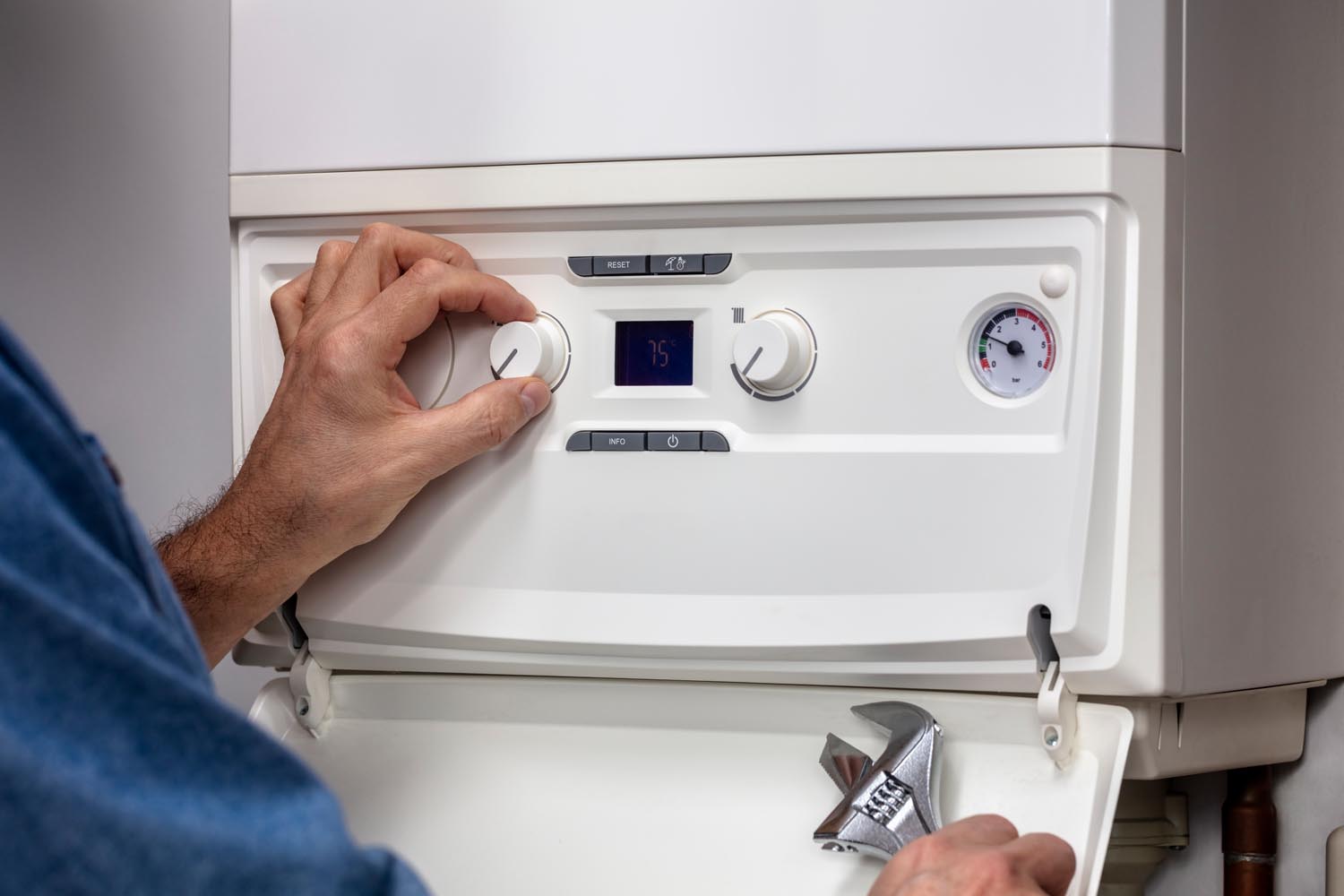
Plumbing and heating services through the DPS cover all plumbing work, heating system maintenance, repairs and installation, and gas-related services. Plumbing services include repair of leaking pipes and fixtures, drain cleaning and repair, installation of new plumbing fixtures, and full bathroom refurbishment. Heating services include boiler servicing, repairs, and installation, heating system maintenance, radiator repairs and replacement, and thermostatic control installation. Gas-related services include gas safety inspection and certification, appliance repair and maintenance, and leak detection and remediation. Contractors can provide end-to-end management of complex works including fault diagnosis, component replacement, system testing, and certification. Services can be provided on a standalone basis or as part of larger repair or refurbishment programmes including other trades. Plumbing and heating contractors hold Gas Safe registration (mandatory for gas-related work) and relevant trade qualifications ensuring quality and compliance with safety standards.
Organisations should use general repairs and joinery contractors when repairs require specialist carpentry skills beyond general handyperson capability. Joinery work in void refurbishment programmes often justifies specialist contractors due to the importance of high-quality finishes in creating attractive properties for re-letting. Organisations with limited joinery capacity in direct labour organisations benefit from engaging DPS contractors for specialist work or capacity supplementation during peak periods. For complex architectural joinery or bespoke carpentry work, specialist contractors provide superior outcomes compared to general builders. Organisations managing multiple properties benefit from framework access enabling rapid engagement of appropriate contractors for specific needs. For emergency repairs such as broken windows or damaged doors affecting security or weatherproofing, rapid access to joinery contractors prevents escalating damage. Organisations should consider whether engaging joinery specialists provides better quality and efficiency than attempting repairs through general contractors without specialist expertise.
Joinery work through the DPS includes internal building carpentry such as door hanging, window repairs, architectural joinery, and specialist carpentry. Contractors can undertake replacement of internal doors, repair of damaged door frames, and installation of new joinery features. Window services include repair of damaged windows, replacement of glazing, and repair of window frames and hardware. Contractors can undertake specialist carpentry work including bespoke joinery, complex repairs, and architectural features. Services typically include on-site survey and specification development, materials procurement, professional installation, and final finishing ensuring high-quality outcomes. Joinery work often forms part of larger void refurbishment programmes where contractors coordinate with other trades including electrical, plumbing, and decoration. Organisations should verify that joinery contractors hold appropriate qualifications, hold relevant insurance, and provide warranty coverage for completed works.
General repairs and joinery services through the DPS cover building repairs and joinery-specific work. General repairs include internal and external structural repairs, brickwork repairs, plastering, painting and decorating, flooring repairs, and minor building works. Joinery services include internal joinery works such as door hanging, window repairs, architectural joinery, and specialist carpentry. Contractors provide end-to-end management of general repairs and joinery work including fault diagnosis, work scheduling, quality oversight, and completion certification. Services can be provided on a standalone basis or as part of larger repair programmes including other trades. Contractors typically supplement existing direct labour organisations or provide outsourced delivery for organisations without in-house joinery capacity. General repairs and joinery contractors hold appropriate trade qualifications and insurance ensuring quality and compliance. The DPS includes contractors with varying capability levels, from small local specialists to larger regional contractors, enabling organisations to select providers matching their specific requirements and geographic coverage needs.
Organisations should establish clear service level agreements specifying response times for different repair urgencies, quality standards and workmanship expectations, communication protocols with residents and the organisation, and cost limits for repairs without prior approval. Full-service contractors should provide detailed scoping of required works before commencement, enabling accurate budgeting and scheduling. Organisations should maintain clear specifications for standard work types enabling rapid mobilisation. Regular performance monitoring should track metrics including response times, first-time fix rates, and resident satisfaction. Issue escalation procedures should address poor performance promptly. Payment should be linked to performance standards rather than activity, incentivising quality and efficiency. For organisations with varying requirements across multiple properties, organisations should consider whether engaging multiple full-service contractors provides better service resilience than relying on a single provider. Organisations should maintain documented performance data enabling identification of best performers and supporting decisions about future engagement.
Full-service contractors provide significant advantages for emergency repairs requiring rapid response. Single point of contact arrangements simplify communication and coordination with a single contractor managing all aspects of complex repairs. Multi-discipline contractors can address multiple defects during single visits, improving efficiency and reducing resident disruption compared to coordinating multiple specialists sequentially. When heating and plumbing failures occur simultaneously, full-service contractors can address both during a single visit rather than booking separate appointments. Coordinated work scheduling ensures different trades work efficiently rather than requiring separate site visits and access arrangements. Quality accountability is clearer with single contractors responsible for overall project outcomes rather than multiple independent contractors potentially interfering with each other’s work. Full-service contractors are typically better equipped to handle emergency situations where rapid assessment and coordinated response across multiple trades is necessary. For organisations experiencing complex emergency situations affecting multiple building systems, full-service contractors provide more efficient response than single-trade specialists. However, single-trade specialists may offer superior expertise in complex specialist issues within their specific field.
Full-service multi-discipline reactive maintenance provision through the DPS includes comprehensive emergency repair and void refurbishment services across multiple trades from a single contractor. Reactive maintenance services address urgent issues including general building repairs, plumbing and heating emergencies, electrical faults, and coordination of specialist trades. Full-service contractors manage end-to-end reactive maintenance delivery including emergency call handling, rapid fault diagnosis, expedited work scheduling, contractor mobilisation, quality oversight, and completion certification. Services typically include rapid fault diagnosis enabling accurate scoping of required reactive maintenance works, coordinated scheduling of multiple trades ensuring efficient emergency response, and quality assurance ensuring reactive repairs meet specification. Full-service contractors can supplement existing direct labour organisations or provide complete reactive maintenance outsourcing for organisations without in-house capacity. Multi-discipline contractors address multiple defects during single visits, improving efficiency and reducing resident disruption compared to sequential specialist appointments. Coordinated work scheduling ensures different trades work efficiently during reactive maintenance emergencies rather than requiring separate site visits and access arrangements. Full-service reactive maintenance provision simplifies contractor management for organisations, removing the need to coordinate multiple single-trade specialists during emergencies.
The Framework and DPS are distinct procurement solutions serving different organisational needs. The Framework is a traditional framework agreement with suppliers pre-selected through competitive tender and ranked by region, providing established relationships with vetted contractors. Organisations use the Framework through direct award to top-ranked suppliers or mini-competitions among ranked suppliers. The Framework suits organisations with planned procurement cycles, established requirements, and preferences for stable supplier relationships. The DPS is a more flexible solution where new suppliers can apply to join at any point during its lifetime, creating an evolving supplier pool. The DPS enables rapid procurement and award of contracts in as little as 10 days, making it suitable for organisations needing flexible capacity or rapid turnaround. The DPS works well for organisations with variable or unpredictable requirements, those needing to trial new contractors, or those seeking rapid access to services. Both solutions comply with public procurement regulations and provide access to qualified contractors. Choice between them depends on whether your organisation prioritises established supplier relationships and planned procurement or flexibility and rapid procurement timescales.
Many organisations use the DPS to supplement existing direct labour organisations or contracted reactive maintenance teams during peak demand periods. Rather than maintaining permanent staffing for peak reactive maintenance loads that are utilised only occasionally, organisations can use the DPS to quickly access additional reactive maintenance contractors during busy periods such as winter when heating emergencies spike or after major weather events affecting multiple properties. This approach optimises cost-effectiveness by avoiding permanent staffing costs for variable reactive maintenance demand. Organisations might use in-house teams for routine reactive maintenance and use the DPS for specialist works requiring qualifications beyond in-house staff capabilities. During major incidents affecting multiple properties simultaneously, organisations can rapidly mobilise multiple reactive maintenance contractors through the DPS rather than relying on a single contracted provider. The flexibility to trial new reactive maintenance contractors through the DPS enables organisations to evaluate potential long-term suppliers before committing to framework agreements or longer-term contracts. This approach balances cost-efficiency with the flexibility to respond to unpredictable reactive maintenance demands, enabling organisations to scale up or down contractor capacity as requirements change.
The DPS enables rapid procurement of reactive maintenance services through streamlined processes reducing administrative burden. Organisations can issue invitations to tender and receive proposals in as little as 10 days, compared to several weeks or months for traditional procurement. This rapid timescale is particularly valuable for organisations where reactive maintenance needs are unpredictable and urgent response is essential. Organisations can utilise existing specifications, pricing mechanisms, and contract terms, eliminating the need for complex specification development or commercial negotiation. The due diligence checks embedded in the DPS process ensure suppliers meet minimum standards without requiring extensive vetting by individual organisations. The PfH procurement team provides complete assistance from solution design through to award, reducing the need for internal procurement expertise. Organisations benefit from pre-established DPS frameworks meaning they are ready to procure reactive maintenance services immediately without setting up new procurement vehicles. The streamlined process enables organisations to quickly engage contractors when emergency reactive maintenance capacity is needed or when repair requirements spike unexpectedly.
The PfH Responsive Repairs, Voids and Associated Works DPS is a Dynamic Purchasing System providing flexible procurement of reactive maintenance services and void management. Reactive maintenance addresses urgent issues requiring immediate attention such as heating failures, burst pipes, electrical hazards, and emergency repairs. Unlike a traditional framework with pre-selected suppliers, the DPS allows new suppliers to apply and join at any point during its lifetime, creating an evolving supplier pool. The DPS enables rapid procurement and award of contracts in as little as 10 days, making it ideal for organisations needing flexible reactive maintenance capacity or rapid turnaround. The DPS comprises five specialist lots covering full-service multi-discipline provision, general repairs and joinery, plumbing and heating, electrical work, and specialist works. The DPS suits organisations with variable or unpredictable reactive maintenance requirements, those needing to trial new contractors before longer-term commitment, or those seeking rapid access to emergency repair services. Organisations can work with existing specifications, pricing mechanisms, and contract terms, avoiding the need to renegotiate terms for each call-off. The DPS is fully compliant with public procurement regulations, providing compliant access to qualified contractors without lengthy traditional procurement processes.