
How social housing providers can access funding for Disabled Facility Grants (DFGs)
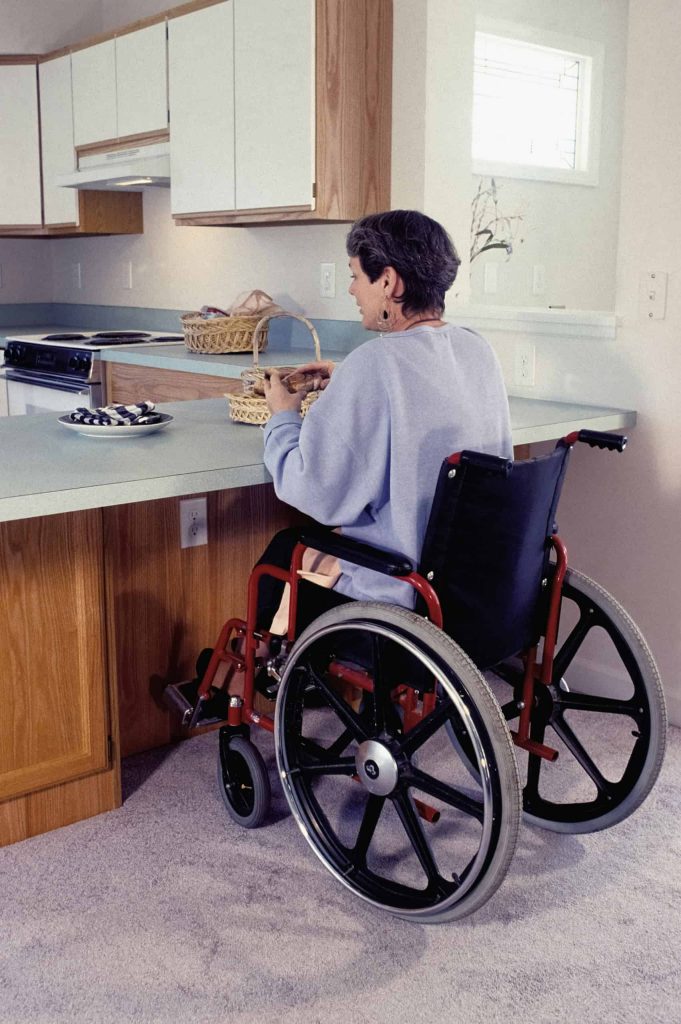
Accessing the right funding to adapt homes for tenants with disabilities is a constant challenge for the social housing sector. With 50% of social housing residents in the UK living with long-term health conditions, the demand for accessible homes is higher than ever. Yet despite this, inefficiencies and misunderstandings around Disabled Facility Grants (DFGs) mean tenants are often left waiting months or years for essential adaptations.
Fortunately, there is a way forward. This blog, based on insights from experts Paul Smith (director of Foundations) and Laura Wood (founder of the Fit for Our Future campaign), will explore how social housing providers can utilise DFGs more effectively. This includes a little-known solution called landlord-led DFG applications, which empower landlords to take charge of the process. Whether you are a housing association, local authority, or charity, this blog will give you a clearer understanding of how to overcome common barriers and deliver better outcomes for tenants.
What are Disabled Facility Grants (DFGs)?
Disabled facility grants are government-funded grants designed to help people with disabilities access vital home adaptations, such as grab rails, ramps, or wet rooms. They can significantly improve mobility, safety, and quality of life within the home.
Traditionally, tenants apply for DFGs directly, with local authorities assessing applications, providing funding, and overseeing the adaptation process. While this has been the standard practice, it leaves tenants, landlords, and local authorities frustrated:
- For tenants, the process can feel slow, intrusive, and daunting. Many must wait for months while undergoing means testing, only to hit roadblocks if landlords refuse consent for adaptations.
- For landlords, unexpected adaptation requests often arrive with little information. Many are concerned about long-term property management issues caused by poor-quality or unsustainable adaptations.
- For local authorities, handling every application individually can create crippling backlogs. Limited communication with landlords and resource constraints often further complicate the process.
Now, more than 30 years after the introduction of DFGs, there’s growing realisation that the process can be improved.
The case for landlord-led DFG applications
Did you know landlords can apply for DFGs directly on behalf of their tenants? This process, outlined in legislation since 1989, remains underutilised – but it has the potential to transform the way adaptations are delivered. By allowing landlords to oversee and manage applications, this process can:
- Reduce delays for tenants waiting on adaptations.
- Eliminate means testing for tenants.
- Give landlords more control over the quality and sustainability of adaptations.
- Shift some administrative burdens from local authorities to housing associations or landlords.
When landlords act as the primary point of contact, tenants no longer have to chase multiple parties (local councils, contractors, etc.). This streamlined process not only makes life easier for tenants but also leads to homes that are better designed to meet their current and future needs.
How does the landlord-led DFG process work?
Here are five practical steps illustrating how a landlord-led DFG application could work in practice:
- Tenant inquiry: The tenant speaks directly to their landlord about their adaptation needs. This step allows the landlord to assess whether the current home is suitable or if moving to a better-suited property might be more appropriate.
- Collaboration with Occupational Therapists (OTs): The landlord engages with OTs and social services to determine the best adaptations for the tenant’s needs.
- Design and specifications: Landlords take responsibility for designing the adaptation, ensuring it uses sustainable materials and aligns with their property standards. This ensures longer-lasting solutions.
- DFG application by the landlord: The landlord submits the DFG application directly to the local authority. Since the tenant isn’t applying, means testing isn’t required. This creates a smoother, stigma-free process for the tenant.
- Approval and supervision: Once the grant is approved, landlords can use their choice of contractors, oversee work, and ensure high-quality results. Contractors are paid directly by the local authority upon completion.
- Sign-off and future accessibility: Both the landlord and the local authority jointly sign off on the completed adaptation. This ensures the property remains accessible not just for the current tenant but for future tenants as well.
The benefits of landlord-led DFGs
Switching to landlord-led applications offers significant advantages for all stakeholders:
For tenants
- No need to undergo means testing.
- A single point of contact for a smoother process.
- Faster access to essential adaptations without long wait times.
For landlords
- Greater control over the design and specification of adaptations.
- Opportunities to improve long-term stock accessibility, creating homes that can serve tenants with disabilities in the future.
- Reduced risk of poor adaptations being removed or causing property maintenance issues.
For local authorities
- Lower administrative burden since landlords take on more responsibility.
- Increased assurance that landlords are fully engaged in the adaptation process.
- Adaptations designed to meet the long-term needs of tenants, avoiding future waste.
The challenges of reactive adaptations
Both, Paul Smith and Laura Wood believe strongly in moving towards a preventative, proactive approach to accessibility. Many adaptations happen only after falls or medical incidents, when they could have been avoided altogether through strategic planning.
Recent findings highlight the urgent need for change:
- A child undergoing chemotherapy waited over two years for a bathroom adaptation.
- A disabled resident spent eight years living in a single room without adaptations.
- A tenant was left without access to bathing facilities for 14 months.
These delays highlight critical failures in delivering timely adaptations, adding unnecessary risk to residents.
Driving change through inclusive design
Beyond improving DFG processes, social housing providers can create lasting solutions through inclusive and futureproof designs. Laura Wood shares examples of small design changes that deliver big impact:
- Grab rails disguised as stylish plant pot holders
- Level access showers that eliminate the need for costly retrofits
- Toilets with built-in support features that benefit users of all ages
Interestingly, some of these inclusive designs don’t just enhance accessibility – they can also reduce overall costs. For example, using wallboards instead of tiles for a bathroom adaptation can save on labour costs, speed up installation, and eliminate future problems with discoloured grout maintenance.
Key takeaways for housing providers
By enabling landlords to take control of DFG applications and adopting inclusive design principles, housing providers can:
- Deliver faster, more dignified solutions for tenants
- Support long-term housing accessibility and sustainability goals
- Alleviate pressure on an overstretched local authority system
Making these changes requires collaboration between landlords, local authorities, and tenants. But the result is worth it: a fairer, faster, and more effective way of providing safe and well-adapted homes.
PROCare has supported the Fit for our Future campaign from the outset, using its deep expertise in housing, DFG delivery, and supply chain challenges to drive real change. As a strong example of cross-sector collaboration, PROCare has helped local authorities develop tailored, practical solutions that reduce delays and tackle growing adaptation backlogs.
Paul Smith and Laura Wood presented this topic at PfH Live 2025

Laura Wood
Laura Wood is Director and Founder of Invisible Creations. A Chartered Manager and experienced marketing and communications professional, Laura is a passionate advocate for inclusive design in housing and ageing. She sits on the CIH North East and North East WISH Boards and was recognised as a Northern Power Women Agent of Change.

Paul Smith
Paul Smith is Director of Foundations, the UK Government-appointed national body for Home Improvement Agencies and Disabled Facilities Grants in England. A qualified building surveyor, Paul co-authored the independent review of DFGs and the official DFG guidance, and hosts the popular DFG Champions Roadshows and Foundations LIVE. He has led award-winning agencies, developed national strategies and commissioned extra care housing schemes.